Rocket Building Approvals continually innovates and streamlines its processes to provide a smooth experience for clients.
We use the best technology to deliver smarter and faster solutions to achieve this. This technology allows us to maintain constant transparency with our clients throughout the approval process.
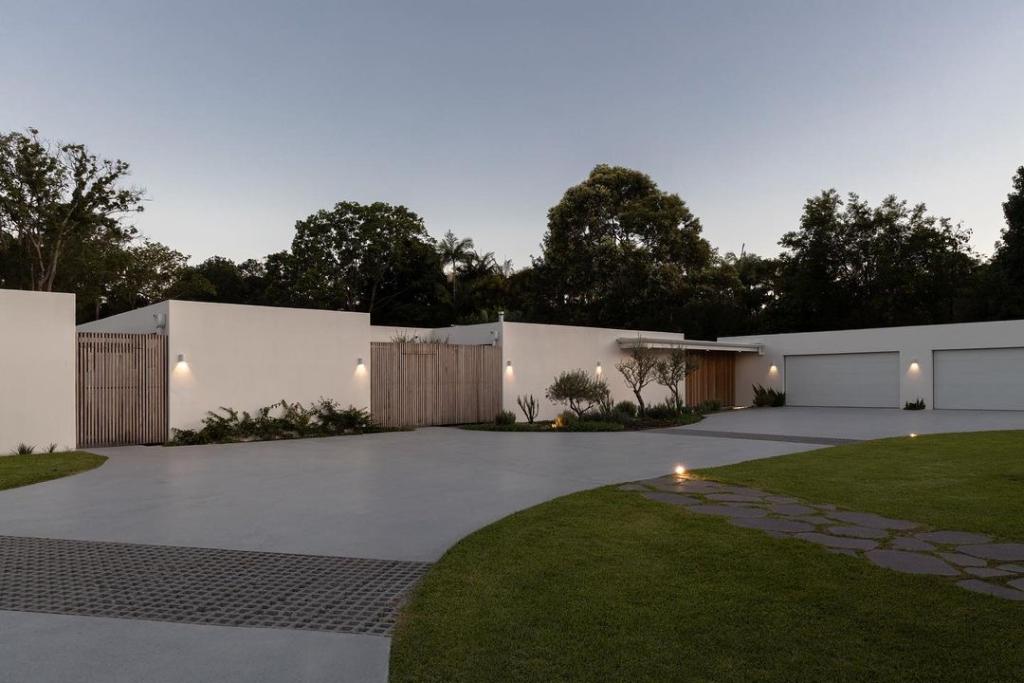
Bushfire Assessments
The Bushfire Attack Level (BAL) is a classification system used in Australia to assess the potential for a building to be exposed to radiant heat and ember attack during a bushfire. It ranges from BAL-Low, which represents the lowest level of risk, to BAL-FZ (Flame Zone), which is the highest level of risk. The BAL is determined based on a number of factors such as the proximity of the building to the fire, the vegetation surrounding the building, and the topography of the area.
The BAL is an important factor in the design and construction of buildings in bushfire-prone areas and is incorporated into building codes and standards. When included in a bushfire report, the BAL provides crucial information for building owners, authorities, and emergency services to understand the level of risk and to make informed decisions about fire safety and preparedness.
Energy Efficiency reports
An energy efficiency report is a comprehensive analysis of a building’s energy usage and identifies areas for improvement to reduce energy consumption and costs. The report provides a detailed assessment of a building’s energy consumption, including an analysis of heating, cooling, lighting, and other systems that use energy, and often includes a rating based on the nationally recognized star rating system.
The star rating system is a simple and easily understood measure of a building’s overall energy efficiency, with the number of stars indicating the level of efficiency. In Australia, the star rating system ranges from 0 to 10 stars, with 10 stars being the highest rating for energy efficiency. The star rating takes into account a building’s design, construction, and energy usage patterns to determine its overall energy efficiency.
The purpose of an energy efficiency report is to help homeowners and business owners understand their energy usage and identify ways to reduce their energy consumption and costs. The report provides recommendations for making energy-saving improvements to a building’s systems, such as upgrading to more efficient heating and cooling systems, replacing old light fixtures with energy-saving LED lights, and sealing air leaks. The report will also indicate the estimated energy savings that can be achieved by implementing these recommendations.
An energy efficiency report is a valuable tool for anyone looking to reduce their energy costs and improve their building’s energy efficiency. The report provides a comprehensive analysis of a building’s energy usage, including a rating based on the star rating system, and offers recommendations for energy-saving improvements. By understanding your building’s energy consumption and taking steps to reduce it, you can save money on your energy bills and contribute to a more sustainable future.
PERFORMANCE SOLUTIONS
Deemed-to-Satisfy (DTS) provisions in the National Construction Code (NCC) outline the minimum standards for building design and construction in Australia. The NCC is a uniform set of technical provisions that help ensure buildings are safe and accessible for occupants, while also protecting the environment.
The Deemed-to-Satisfy provisions provide prescriptive measures that must be satisfied in order to meet the minimum standards outlined in the NCC. This means that if you follow the specified requirements, you can be confident that your building will be compliant with the code.
However, the NCC also recognises the importance of flexibility in building design, and provides an alternative to the Deemed-to-Satisfy provisions: the Performance Based Solution (PBS). The PBS allows building designers to explore alternative methods of meeting the performance requirements of the NCC, provided that the proposed solution can demonstrate that it meets the relevant provisions of the code.
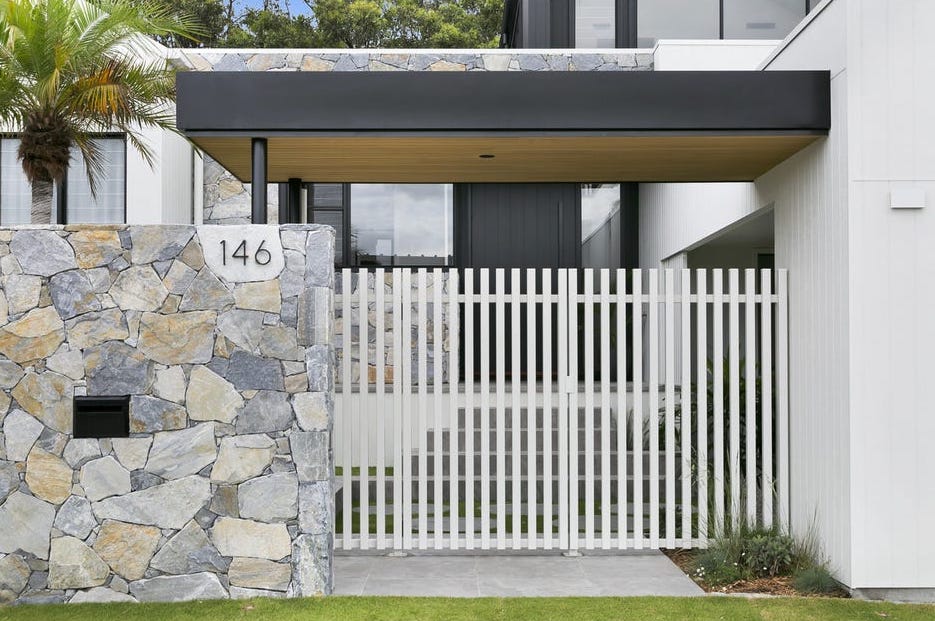
FINAL INSPECTION AT
ALLURE
Contact rocket building approvals today
Ask Us Anything
When do I need a building approval?
A building approval is generally required when the scope of works are more than the below:
- A garden shed up to 2.4 metres high (2.1 metres mean height), 10m2, 5.0 metres long and not located in the front or waterfront setback areas,
- A fence not more than 2.0 metres high.
- Swimming pool fencing needs approval for new work regardless of the height
- Waterfront areas and corner lots also have special rules,
- A one metre high retaining wall (if no loads are imposed above it, such as a building or driveway),
- Deck up to 1.0 metre high and 10m2 when not located in any required setback area.
- Roofed patio up to 2.4 metres high (2.1 metres mean height), 10m2, 5.0 metres long when not located in any required setback area.
What happens if I start building without a permit?
Starting building works without the relevant approvals is illegal and not advised as normally the repercussions of doing so can severely impact the homeowner not only financially but if the works do not comply with Council requirements the works may have to be removed.
How quickly can you provide a Building Approval?
RBA can generally turn around approvals as per below:
24hr- Demolitions
2-3 Days sheds, pools, patio’s etc.
3-7 Days new homes and renovations
We do also have a fast track service which guarantees 48 hour turnaround on all projects.
What areas do you service?
We cover all of QLD, we have an office on the Gold Coast and Bundaberg. We are happy to fly to remote locations.